


Peak season 2026 isn’t behaving like peak seasons used to. Every ops team walks into Q4 with a set of assumptions about how the season works — and most of those assumptions were true a few years ago. Fewer of them are true now.
Below are six of the most common ones, and what’s actually happening instead.
Myth: Peak Season 2026 Is Just Black Friday Week
That week is still real, but it’s no longer where most of the pressure lives.
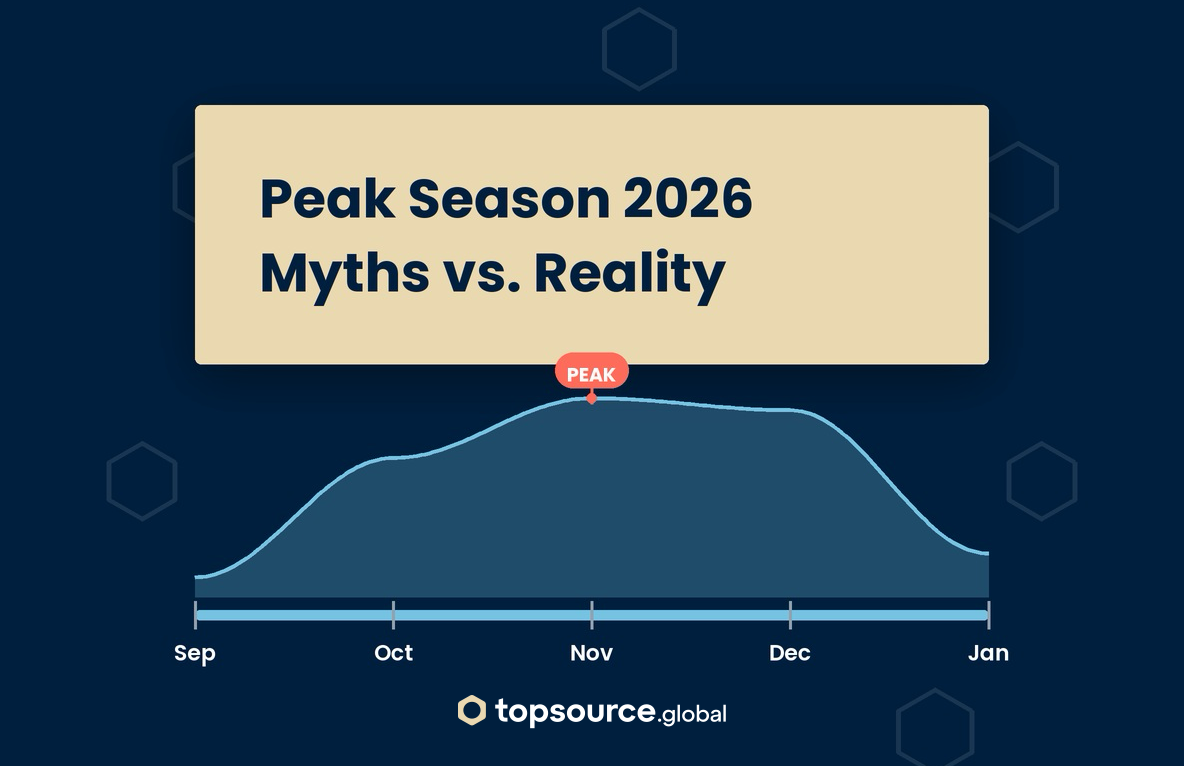
Demand has been creeping earlier for a few years now. In peak season 2026, the shift is hard to ignore: discount campaigns, early-bird promotions, and international buyers have stretched the season into a multi-month plateau. A recent holiday shopping report from Narvar found that 58% of shoppers now plan to start holiday shopping earlier than they used to — while most retailers are still planning around the old calendar. That gap is exactly where planning breaks.
Planning for one hard week means building a system that’s perfectly sized for a problem that shows up six weeks early — and doesn’t leave on schedule either.
Myth: AI Has Solved Peak Season Staffing
AI has absorbed a genuinely large share of repetitive volume: order status checks, simple shipping questions, routine return initiations. That’s a real efficiency gain.
But it hasn’t touched the part that actually breaks during peak season: judgment calls. Refund exceptions, policy grey areas, an angry customer with a legitimate complaint, an order stuck on hold for a reason nobody documented — those still need a trained human. Automation quietly raises the bar for that human, too, because the easy tickets aren’t reaching them anymore.
A support model built only around “AI handles it” runs out of road exactly where the season gets hard.
Myth: Hiring More Staff Is the Safest Move for Peak Season 2026
More permanent headcount solves a volume problem and creates a seasonality problem.
A support and ops team sized for December’s order volume is oversized for February’s — which means either padding through the slow months or going through a layoff cycle every January. Neither is free, financially or culturally.
The teams that hold up best usually aren’t the ones with the biggest permanent roster. They’re the ones with a stable core doing judgment-heavy work year-round, paired with a flexible layer that scales up for the plateau and back down without an awkward conversation in Q1.
Myth: Outsourcing Is Only a Stopgap
Used reactively — called in mid-November once queues are already backed up — outsourcing behaves exactly like a stopgap, with all the ramp-up pain of any new hire and none of the lead time to do it properly.
Used as part of the actual plan, decided in September and onboarded before the plateau hits, it’s closer to infrastructure than to a patch. The difference isn’t the tool. It’s whether the decision got made before the season started or during it.
Myth: A Healthy Support Queue Means the Operation Is Fine
A support ticket is often just the visible symptom of something happening one layer down: an order stuck on hold, an inventory count that drifted during a spike, a fulfillment exception nobody caught before the customer did.
Response times can look completely healthy right up until the underlying NetSuite workflows start buckling under sustained load — at which point the ticket volume that follows isn’t really a staffing problem at all. Judging readiness by the support queue alone misses where the failure usually starts.
Myth: The Worst Week Is the Real Test
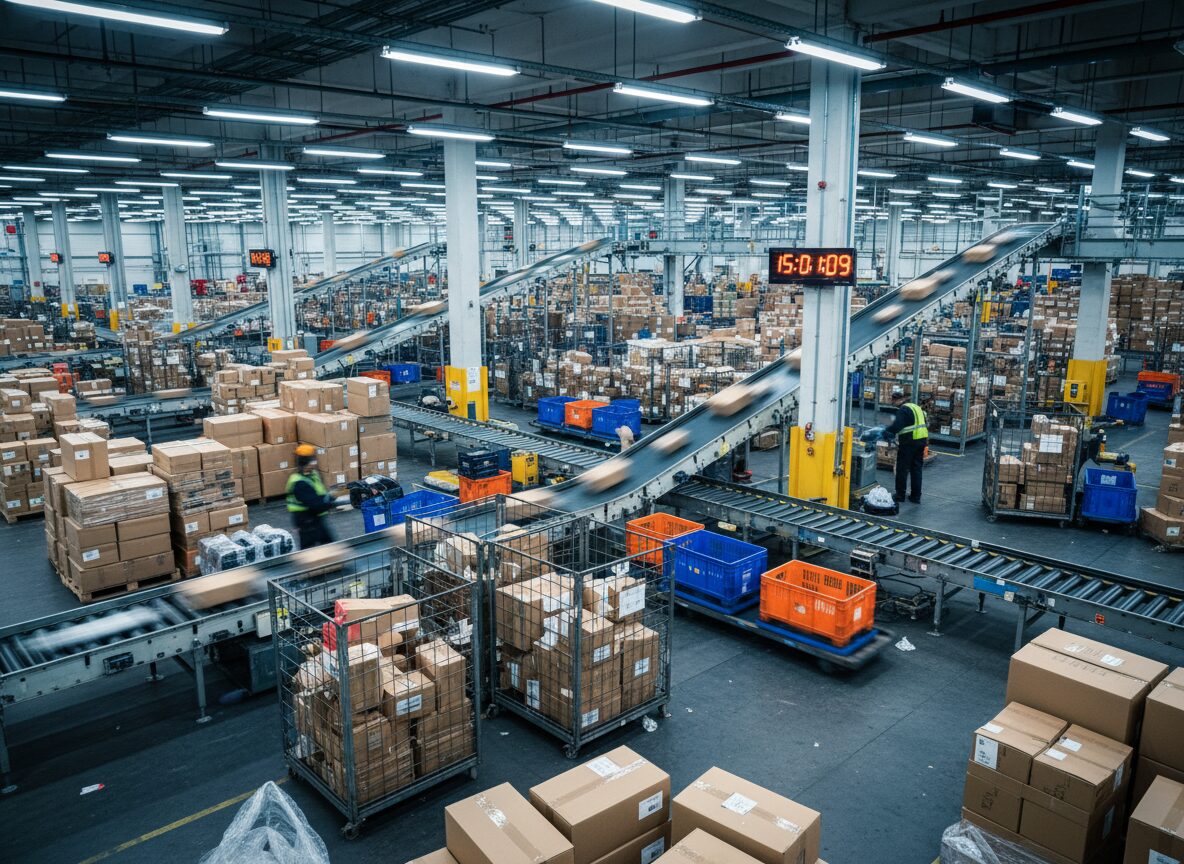
The worst week is the easy part to notice — and, honestly, not the hardest part to survive. Most operations can grit their teeth through a single brutal week.
The real test is week six, when the plateau hasn’t ended, the seasonal hires are exhausted instead of freshly onboarded, and the core team has been covering both training gaps and escalations for over a month straight. Readiness that only accounts for a peak — not the length of the season around it — tends to look fine right up until it very suddenly doesn’t.
What Actually Separates Ready Teams in Peak Season 2026
None of these myths are stupid. They’re leftover assumptions from a version of peak season that doesn’t quite exist anymore.
The brands that get peak season 2026 right aren’t the ones with the most support agents or the flashiest AI tooling. They’re the ones who updated the assumption underneath all of it: the season is longer, less predictable, and less forgiving of anything figured out after it’s already started.
That’s the layer TopSource Global works on with e-commerce and NetSuite-driven brands — the back-office, fulfillment, and support capacity that has to hold up for the season that’s actually arriving, not the one everyone still plans around out of habit.